One of the most cutting-edge and dependable options for replacing lost teeth is dental implants. A dental implant is a titanium post that is surgically inserted into the jawbone to function as an artificial tooth root and is made to resemble the structure of a natural tooth. A crown, bridge, or denture can be firmly affixed to restore complete function and appearance once the implant and bone fuse together through a process known as osseointegration. In addition to improving a smile’s beauty, this cutting-edge procedure offers a long-lasting solution that enhances oral health and general quality of life.
Dental implants offer unparalleled stability and strength since they are fixed directly into the jaw, unlike conventional bridges or dentures. As a result, patients can confidently chew, talk, and smile without fear of discomfort or slippage. The implant also helps stop the bone loss that usually happens after a tooth is lost since it becomes a part of the bone. This maintenance of bone structure promotes long-term oral health and preserves the face’s natural features.
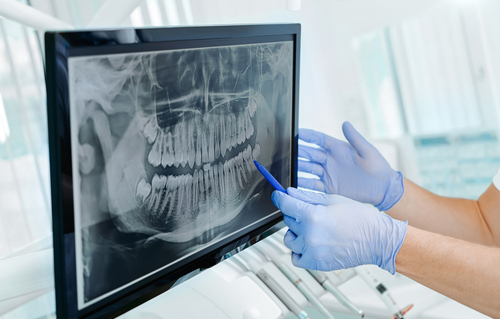
Getting a dental implant is a multi-step process that could take many months to finish, but the benefits outweigh the cost. To assess the condition of the jawbone and choose the ideal location for the implant, a comprehensive dental examination is first performed by Glen Allen Dental Arts, which includes X-rays and 3D imaging. A bone transplant can be required to establish a firm foundation if there is not enough bone. When the jaw is prepared, the titanium implant is surgically placed into the bone while being comfortably sedated or under local anesthesia.
Following implantation, the implant fuses with the bone during the healing phase. Depending on how well the person heals, this stage may take a few weeks to many months. After the implant is securely fixed, a custom-made crown is affixed to the post using a tiny connector known as an abutment. The finished product blends in perfectly with the rest of the smile and has the appearance, feel, and functionality of a natural tooth.
A single missing tooth, several lost teeth, or even an entire arch can be replaced with dental implants because of their great versatility. Bridges or dentures supported by implants offer a safe and comfortable substitute for conventional removable prosthetics for patients who are missing many teeth. These alternatives provide a more stable and realistic-feeling solution by equally distributing biting forces and doing away with the need for glue.
Patients who are committed to keeping proper oral hygiene, have healthy gums, and have adequate bone density are suitable candidates for dental implants. A thorough evaluation is necessary since long-term illnesses like uncontrolled diabetes or bad habits like smoking can impact implant success and healing. Implants have a success rate of over 95% and can last a lifetime if properly maintained.
The maintenance of dental implants is comparable to that of natural teeth. For the gums and surrounding tissues to remain healthy, regular brushing, flossing, and professional cleanings are required. Gum disease can develop in the surrounding tissues even though the implant itself cannot degrade if left untreated. Frequent dental checkups contribute to the implant’s long-term stability and functionality.
For those who are lacking teeth, dental implants provide a transformative option that offers exceptional comfort, functionality, and aesthetics. Implants improve speech, digestion, and self-confidence in addition to improving grin look by restoring both form and function. Dental implants continue to be the gold standard for tooth replacement as methods and technology advance, giving patients back their smiles and their quality of life.